

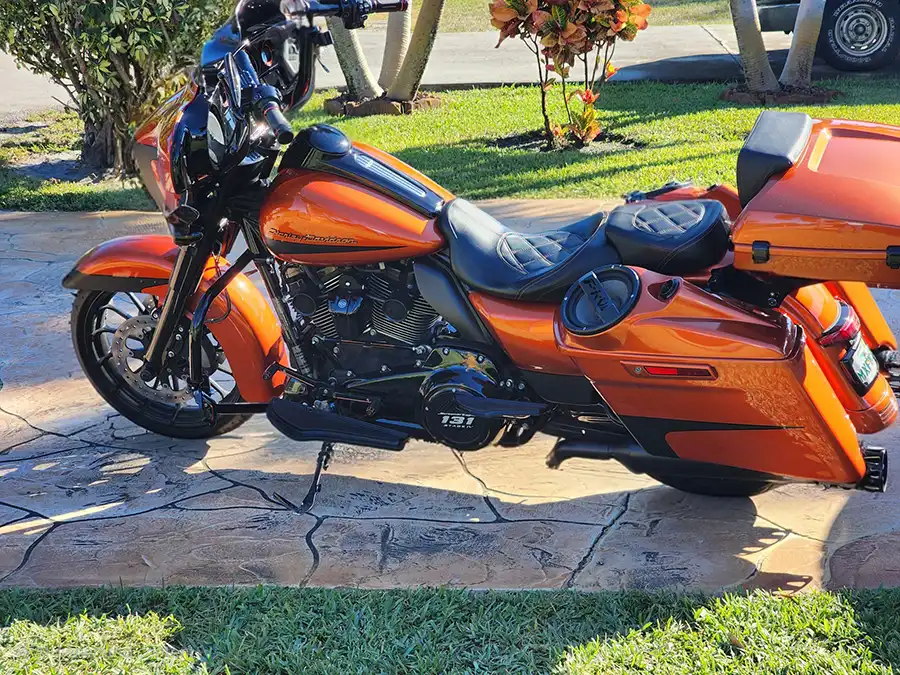
The Benefits of Installing a Cooling Fan on Your Harley-Davidson
Nothing quite compares to the rumble of a Harley-Davidson rolling down the highway on a beautiful, sun-drenched day. The freedom, the sound, and the raw torque create a riding experience that is legendary. However, that iconic American V-twin power comes with a very well-known, and sometimes physically painful, byproduct: extreme engine heat.
If you have ever found yourself trapped on hot summer asphalt in stop-and-go traffic, you know exactly how brutal it can feel when your engine heat radiates directly upward. The searing temperatures can turn a dream ride into a miserable test of endurance. That is why understanding the comprehensive benefits of installing a cooling fan on a Harley-Davidson is essential for any serious rider who wants to protect their investment and enjoy their time in the saddle.
The Core Problem: Why Do Harleys Run So Hot?
Harley-Davidson motorcycles have long relied on their beautifully sculpted air-cooled engines. While this classic design is brilliant in its mechanical simplicity and raw aesthetic appeal, it comes with a major caveat: it heavily depends on continuous forward momentum to keep internal and external temperatures in check.
When you transition from wide-open highways to city congestion or a slow-moving parade, the lack of natural airflow becomes a massive liability. When looking at passive vs active engine cooling strategies, passive cooling—which relies on the engine’s metal fins catching the wind as you ride—fails the moment the bike stops moving. Without a steady stream of air rushing over those cooling fins, the engine essentially begins to bake itself.
This rapidly leads to the negative impact of high cylinder head temperatures on performance. As the engine metal gets excessively hot, the motor’s overall efficiency plummets. Your throttle response can start to feel incredibly sluggish, fuel economy drops, and, worst of all, you risk severe long-term internal engine wear. An active cooling solution, such as a high-powered electric fan, steps in exactly when passive cooling drops off, forcing air across the engine whether you are doing seventy miles per hour or sitting at a dead stop.
Top Benefits of a Harley-Davidson Cooling Fan
Adding a dedicated, forced-air cooling fan is widely considered one of the smartest and most effective aftermarket upgrades you can make to your bike. Here is a breakdown of how it fundamentally changes your riding experience.
Unmatched Engine Protection and Longevity
Your engine is the beating heart of your motorcycle, and excessive heat is undeniably its biggest enemy. By forcefully directing a continuous stream of air over the cylinders, a quality fan acts as the ultimate safeguard, improving motorcycle engine longevity through temperature regulation.
This level of protection is especially critical for modern, large-displacement powerplants. For example, managing thermal expansion in Milwaukee-Eight engines is a top priority for Harley mechanics. When these massive engines overheat, their internal metal components expand beyond optimal factory tolerances. This expansion causes excess friction, scuffing, and premature wear on the pistons and cylinder walls. A powerful cooling fan keeps those temperatures controlled and those tolerances tight. Furthermore, it is the absolute most reliable method for preventing Harley engine overheating in traffic—a common scenario where even just ten minutes of idling can push engine temperatures into the red danger zone.
Preserving Vital Fluids and Internals
Extreme heat doesn’t just warp metal; it actively destroys your motorcycle’s lifeblood. One of the hidden but vital advantages of an active cooling system is stopping engine oil breakdown from extreme heat. Whether you run conventional or synthetic oil, when your engine oil gets too hot, it loses its viscosity. It thins out to the point where it can no longer lubricate moving parts effectively, leading to devastating metal-on-metal contact.
Additionally, maintaining a cooler engine block is essential for preventing pre-ignition and engine pinging in high temperatures. Pre-ignition, also known as engine knock or detonation, occurs when the fuel-air mixture inside the cylinder ignites too early due to excessively hot cylinder walls rather than the spark plug. This creates a harsh knocking sound and can crack pistons or bend valves if left unchecked.
Maximizing Rider Comfort
Beyond the mechanical advantages, we have to talk about your physical experience on the bike. Riding should be a joy, not a punishment. A major advantage of installing forced-air cooling is reducing rider seat heat on V-twin motorcycles. By pushing the blistering hot air away from the engine block and out the opposite side of the bike, the saddle and the surrounding air remain vastly more comfortable.
This direct heat management translates to dramatically enhancing rider comfort during summer motorcycle trips. You can finally enjoy those scenic July and August rides—even in full protective riding gear—without feeling like you are straddling a rolling furnace. You will ride longer, safer, and with far less fatigue.
How Do Electric Fans Protect Air-Cooled Engines?
If you are a newer rider, you might be wondering, exactly how do electric fans protect air-cooled engines in practice? The science lies in forced convection. A high-powered electric fan is typically mounted securely to the side of the engine block, right between the iconic V-twin cylinders. When engaged, it pulls ambient air from outside the motorcycle and blasts it at a high velocity across the deep cylinder fins. This action mimics the exact cooling effect of riding at highway speeds, effectively breaking the thermal boundary layer of hot air that clings to the engine.
This setup provides crucial airflow optimization for heavy touring motorcycles. Large baggers (like Street Glides, Road Glides, and Electra Glides) are notoriously harder to cool simply because they have wide fairings, bulky lower leg shields, and generally less exposed engine surface area to catch the natural breeze. So, are cooling fans worth it for touring bikes? Absolutely. If you are hauling heavy saddlebags, riding with a passenger, and pulling a massive frame through summer traffic, an electric fan isn’t just an optional accessory; it is a vital necessity for protecting your heavy-duty machine.
Exploring Cooling Options: Which is Best for Your Ride?
When riders look to cool down their bikes, they often get caught up in the debate of an oil cooler vs forced air engine fans. While an upgraded oil cooler is a fantastic addition for bringing down internal fluid temperatures, it does very little to cool the actual exterior metal of the cylinder heads where the combustion heat originates. Forced air fans tackle the problem right at the source, cooling the metal directly and providing immediate, noticeable relief to both the bike and the rider’s legs. Ideally, a well-built touring bike will utilize both, but a forced-air fan offers the most drastic immediate difference in stop-and-go conditions.
If you have spent time researching on motorcycle forums, you have likely seen a Harley CoolFlow fan vs Love Jugs comparison. The factory Harley CoolFlow system generally works by pulling hot air away from the rear cylinder and pushing it downward toward the ground to keep heat off the rider. While good for rider comfort, it is somewhat limited in how aggressively it cools the actual cylinder heads. Love Jugs and similar dual-fan systems focus specifically on blasting the cylinders with high-velocity air to cool the metal. However, as the motorcycle aftermarket has evolved, riders today are demanding even higher quality, greater durability, and sleeker aesthetics from their cooling setups than older brands can provide.
Why You Should Choose Baddass Fanz
When it comes to outfitting your Harley-Davidson with an active cooling system, you cannot settle for cheap plastics, fragile mounts, or weak motors that will fail after one rainy season. You need American-made durability that matches the ruggedness of your motorcycle. That is exactly why so many veteran riders Choose Baddass Fanz for their V-twins.
Built with premium billet aluminum, robust waterproof motors, and designed to seamlessly match the aggressive, classic styling of a Harley-Davidson, these units deliver hurricane-force airflow right where your engine needs it most. They are meticulously engineered to withstand the intense vibrations, brutal heat, and harsh weather conditions that come with serious cross-country touring.
To explore the highest quality cooling options for your specific Harley model, you can visit their main site at https://baddassfanz.com/ or browse their specific, easy-to-install cooling solutions directly at https://baddassfanz.com/cooling-fans/. Upgrading with a premium brand ensures you get maximum cooling power without ever sacrificing the pristine look of your ride.
Quick Guide to Mounting Motorcycle Cylinder Fans
Adding this powerful upgrade to your bike does not have to be an expensive, multi-day mechanic job. Most high-quality fans are designed with the DIY rider in mind. Here is a practical guide to mounting motorcycle cylinder fans to ensure a clean, safe, and secure fit:
- Preparation and Safety: Always start with a completely cool engine to avoid burns. Disconnect the negative battery terminal to ensure your electrical system is safe while you are routing wires.
- Positioning the Bracket: Most premium fans come with a heavy-duty, custom-fitted bracket that mounts to the factory horn bracket location on the left side of the engine. You will simply remove the factory horn (which is often relocated) and secure the new mounting plate to the engine case.
- Vibration Management: Harleys shake—it is a beloved part of their charm. However, vibration destroys loose accessories. Ensure you use blue thread locker (Loctite) on all mounting bolts and properly install any provided rubber dampeners to protect the fan motors from extreme V-twin vibrations.
- Wiring: Route the wiring harness neatly up and under the gas tank, utilizing zip ties to keep the wires tight against the frame. Keep all wiring clear of the throttle linkage, moving steering components, and the hottest parts of the exhaust pipes. Connect it directly to the battery or a dedicated accessory switch, following your fan’s specific instructions.
- Testing: Reconnect the negative battery terminal, turn your ignition key, and flip the fan switch. You should immediately hear the motors spool up and feel a powerful, steady stream of air blowing across the cooling fins.
Final Thoughts
In the end, the sheer benefits of cooling fan harley-davidson modifications simply cannot be overstated. From protecting your expensive engine internals and stopping catastrophic oil breakdown, to dramatically improving your own riding comfort on scorching summer days, this is one modification that pays for itself almost immediately. By taking proactive control of your engine’s temperature management, you are ensuring that your Harley will be on the road, running strong and smooth, for tens of thousands of miles to come.
Do not let the summer heat dictate when and where you are allowed to ride. Invest in a high-quality, durable cooling fan today, protect your V-twin engine, and reclaim the freedom of the open road.
Baddass Fanz
561-932-7607
View our Website